Pain & relief ·
Float Therapy for Chronic Back Pain: What Actually Helps
Chronic back pain is one of the most searched wellness topics online and one of the least solved. Here's what floating does for it, and what the research actually says.
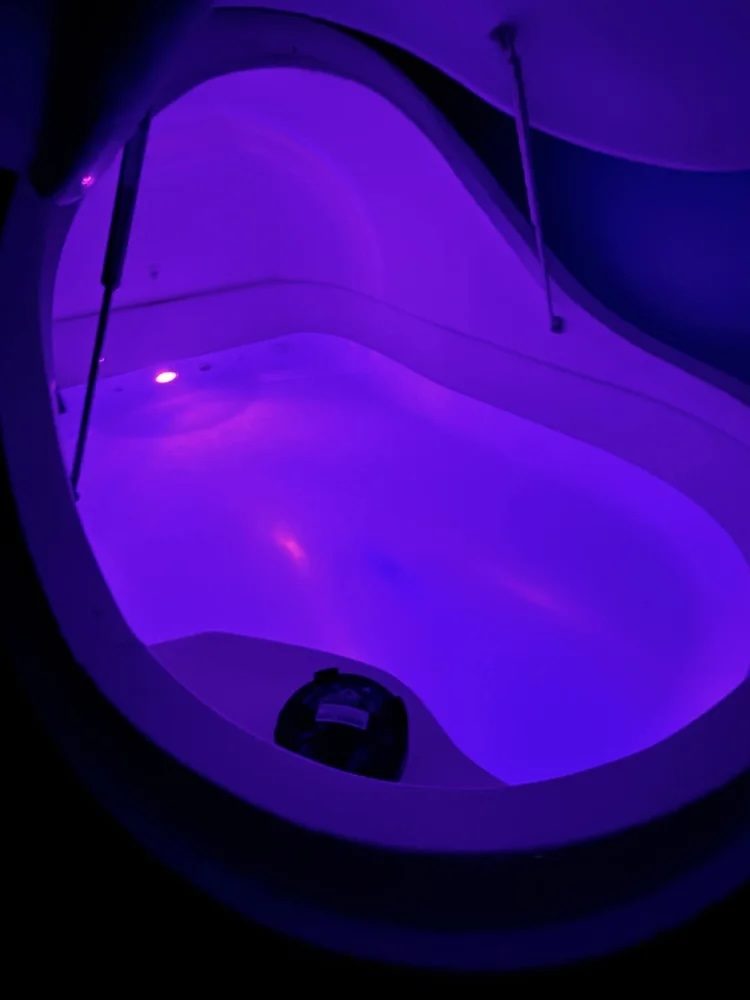
If you have chronic back pain, you've probably tried most of the obvious things: physical therapy, massage, chiropractic adjustments, anti-inflammatories, better posture, a new mattress. Some of them help some of the time. What most of them can't do is remove gravity entirely, which is the one thing that makes the back's job harder than anything else in your life.
What floating does that nothing else does
The spine is load-bearing by design. Every hour you're upright, it's compressing. Even lying flat on a firm surface, there's still pressure on certain points, and muscles are still working to hold you in position. In a float tank, with 1,200 pounds of Epsom salt making the water denser than the Dead Sea, your body rises to the surface and the spine finally gets to decompress in a way it almost never does outside of sleep, and often not even then.
That decompression matters beyond comfort. When the muscles around the lumbar spine and hips stop bracing, they can release tension that's been accumulating for months. The controlled research on floating specifically measured this: a study at the Laureate Institute for Brain Research found that a single float session produced measurable reductions in muscle tension alongside lower blood pressure and reduced stress, with the effect persisting for more than 48 hours afterward.
The chronic pain loop floating interrupts
Chronic back pain isn't just a structural problem for most people. It has a neurological component: the brain's pain response gets calibrated to a baseline of persistent discomfort, the muscles around the painful area stay in a protective brace, and the stress system amplifies everything. Anxiety, poor sleep and high cortisol all make pain perception worse. This is why back pain that looks straightforward on an MRI often doesn't respond to structural fixes alone.
Floating addresses the neurological side of that loop directly. By shifting the nervous system into deep parasympathetic rest, lowering cortisol and quieting the brain's default stress response, it can break the pain-tension-stress cycle that keeps chronic pain chronic. For people whose back pain is intertwined with stress, overwork or burnout, this is often where they feel the difference most.
What people actually report
The consistent pattern among our floaters with back pain is this: they get in, and within the first 15 to 20 minutes, once the body stops expecting to be supported and lets the water do it, they notice the absence of something they'd stopped registering as pain and started accepting as normal. The hour ends and they move differently getting out. That distinction, moving differently, not just feeling better, is the one worth paying attention to.
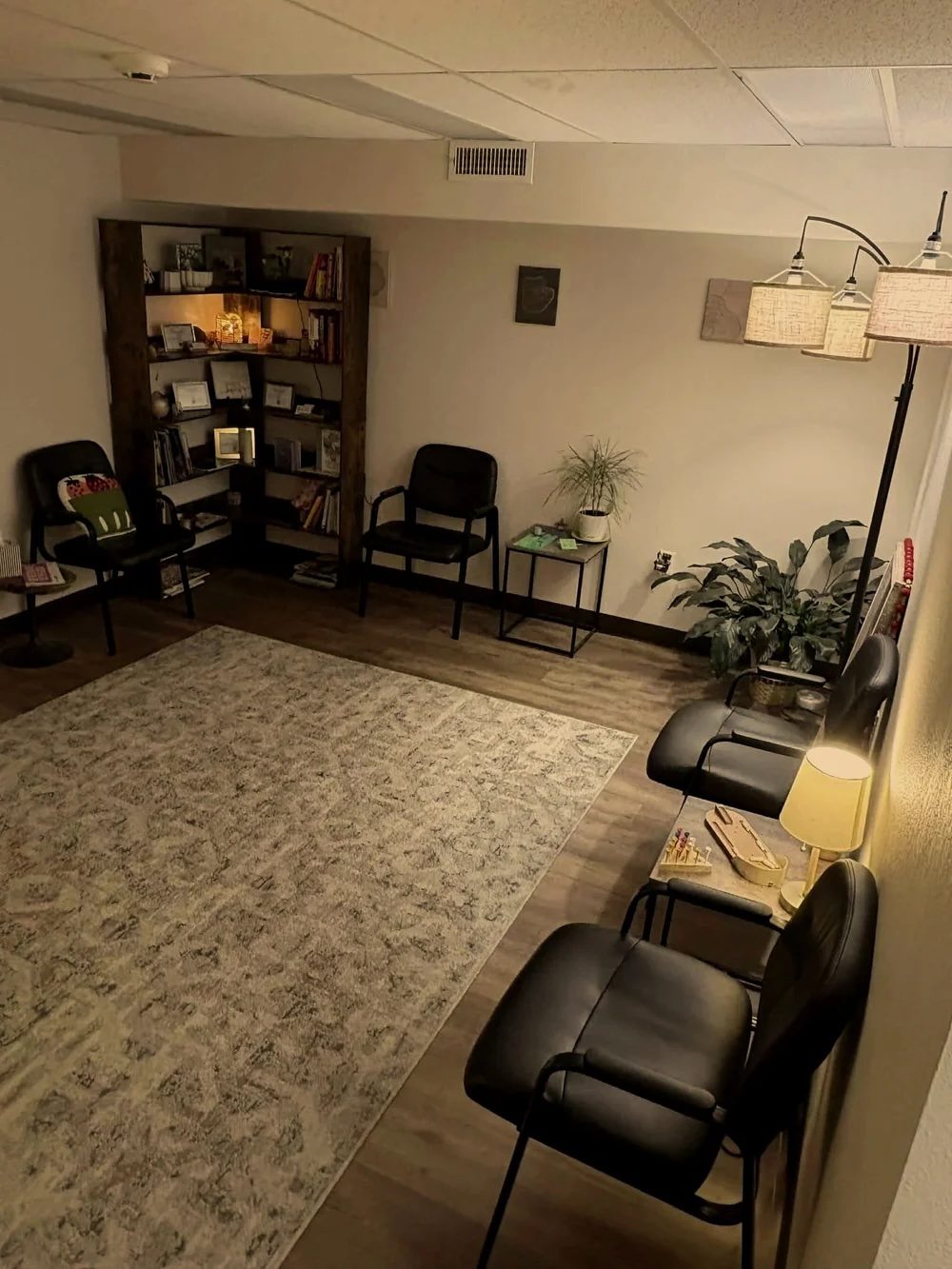
Not everyone gets complete relief. Floating works especially well for muscular and tension-driven back pain, for disc pain where decompression brings real comfort, and for the stress-amplified version of chronic pain. It's less likely to address structural problems that need hands-on intervention. For that reason, we think of floating as a serious complement to physical therapy and chiropractic care, not a replacement. Our partners at The Healing Academy are right next door for the mental health piece that often runs alongside chronic pain.
How often and when
For acute flare-ups, a single float can provide meaningful relief, particularly when the pain is driven by muscle tension and stress rather than injury. For chronic patterns, the research and our own floaters both point toward consistency: once a week during a bad stretch, or monthly as maintenance once things have settled. That's exactly what the Pure Float Membership at $79 a month is built for.
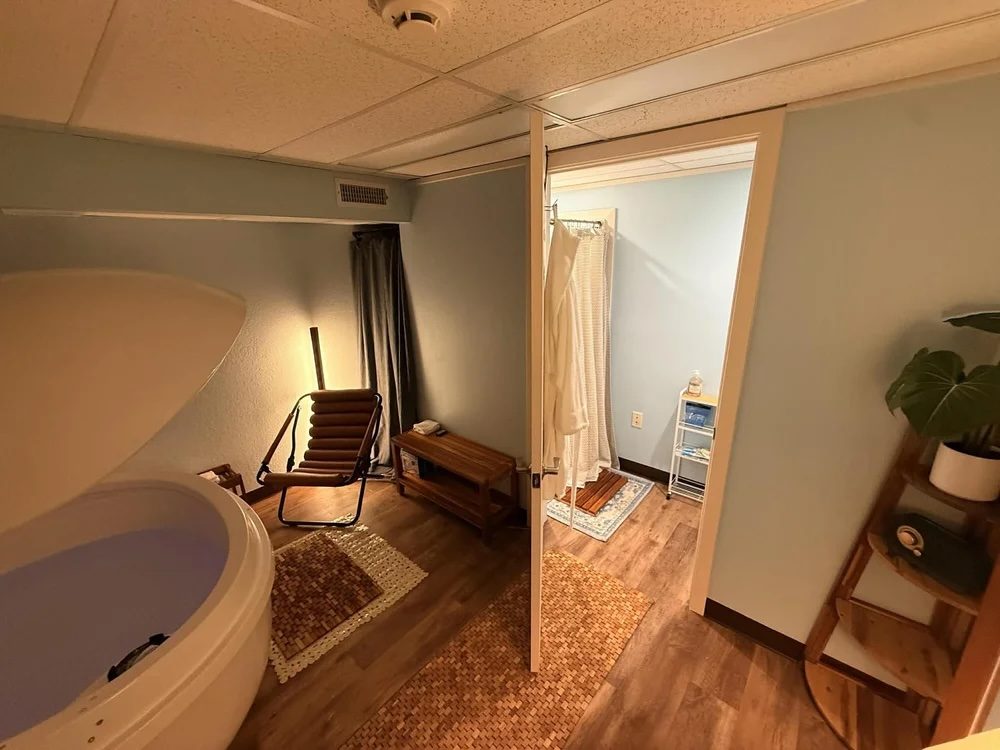
If you're managing a specific injury or condition, check with your doctor or physical therapist before booking. And if you've tried most things and they've helped a little but not enough, floating is usually worth one session to find out which category you're in. Here's what to expect on a first visit.
Uptown Jackson · by appointment
Ready to feel the difference?
One private suite, by appointment, in Uptown Jackson.